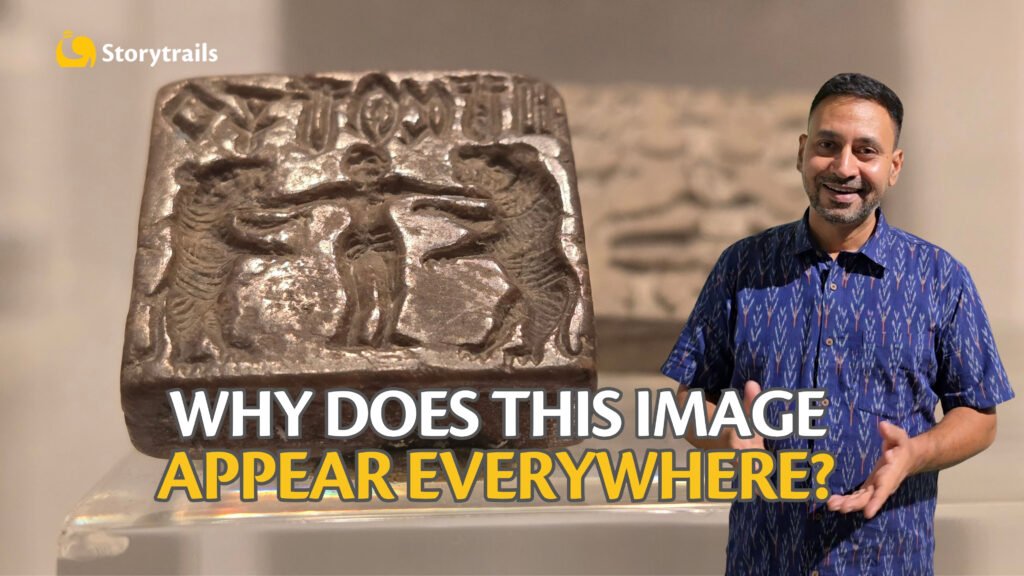
A 4500-year-old seal from the Indus Valley Civilisation shows a human figure grasping two lions. Known as the ‘Master of Animals’ motif, this enigmatic
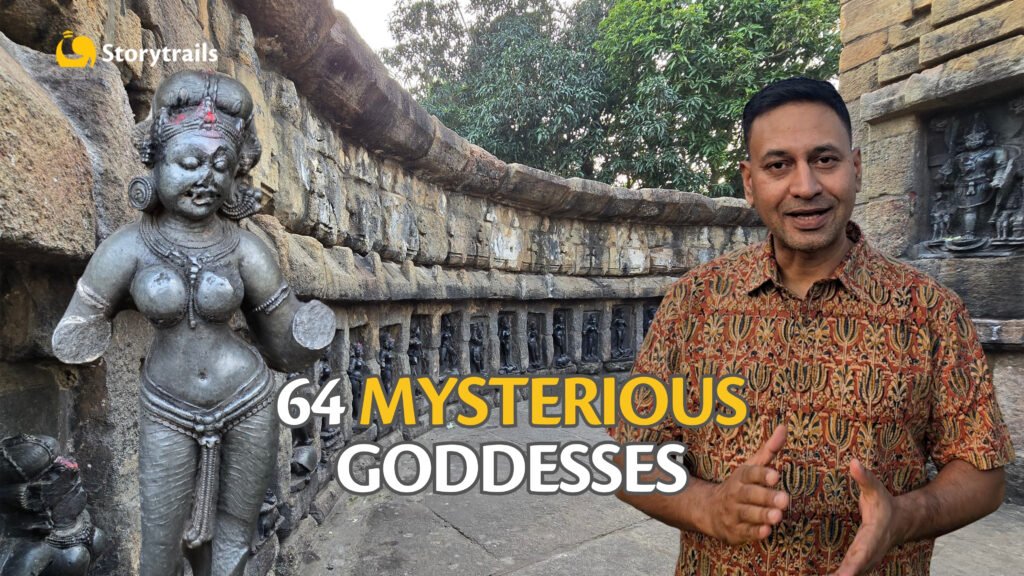
Tucked away near Bhubaneswar lies one of India’s most mysterious temples, Hirapur’s Chausath Yogini Temple. This circular, roofless shrine, built in the 9th century,
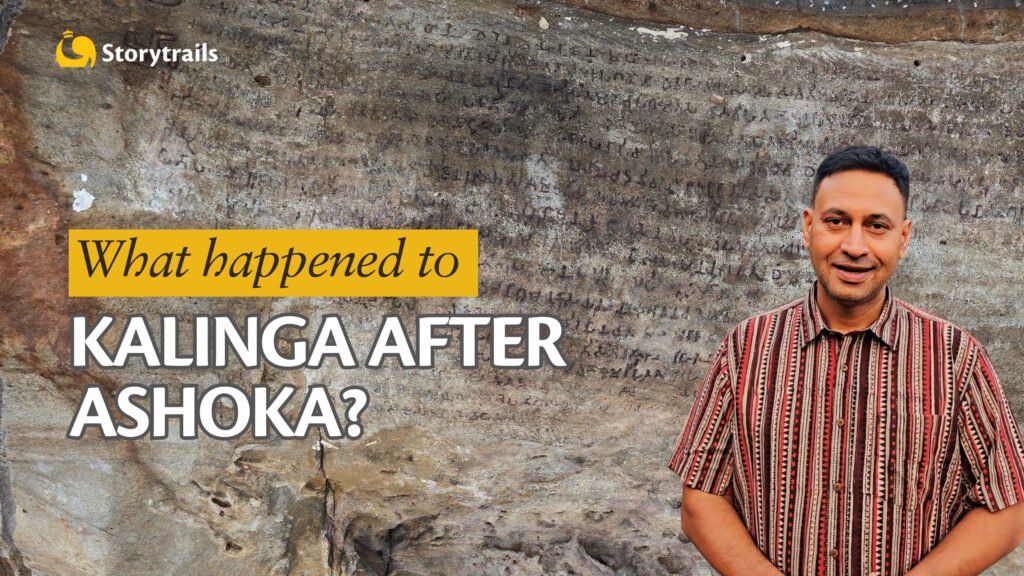
What happened to Kalinga after its devastating war with Ashoka? Did Buddhism simply sweep across the region?
A 2000-year-old inscription offers some fascinating clues.
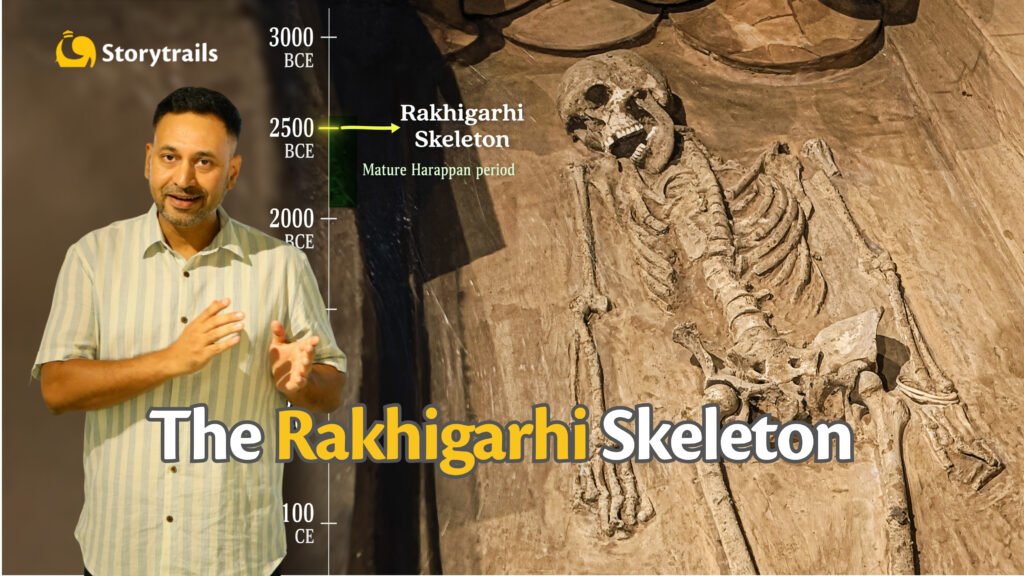
At Rakhigarhi in Haryana, archaeologists uncovered the 4500-year-old skeleton of a middle-aged woman from the Harappan period. Scientists recovered ancient DNA from her remains;
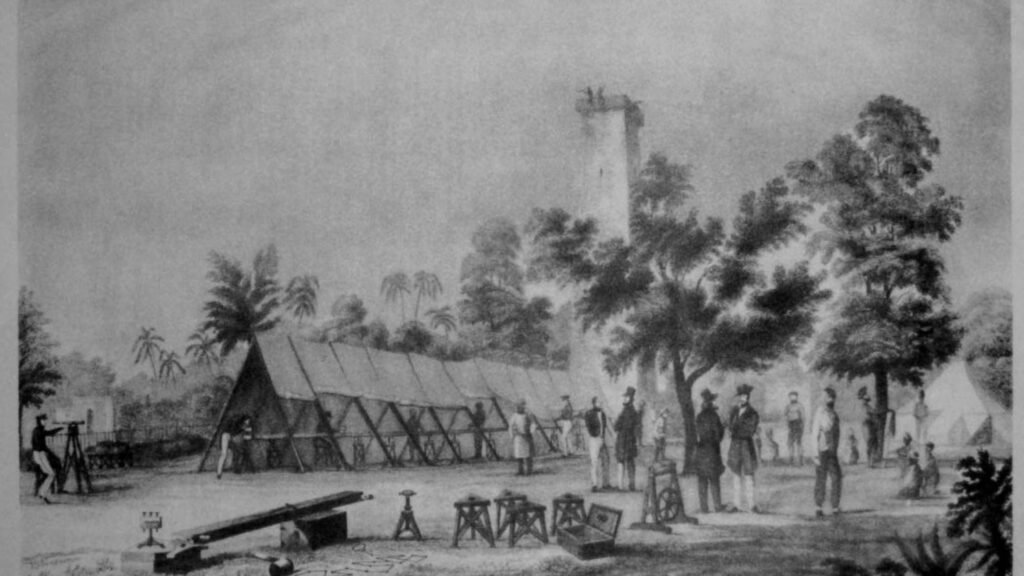
The Great Trigonometrical Survey of India was the largest measurement of the Earth’s surface ever attempted. Apart from mapping the country, the project measured the...
Different communities across the world celebrate their New Year’s Day on different days of the year, based on the calendars they follow. The Parsis celebrate...
Why is Robert Bruce Foote, an Englishman, considered to be the ‘father of Indian prehistory’? What is the significance of ‘Madrasian Culture’? Read on for...
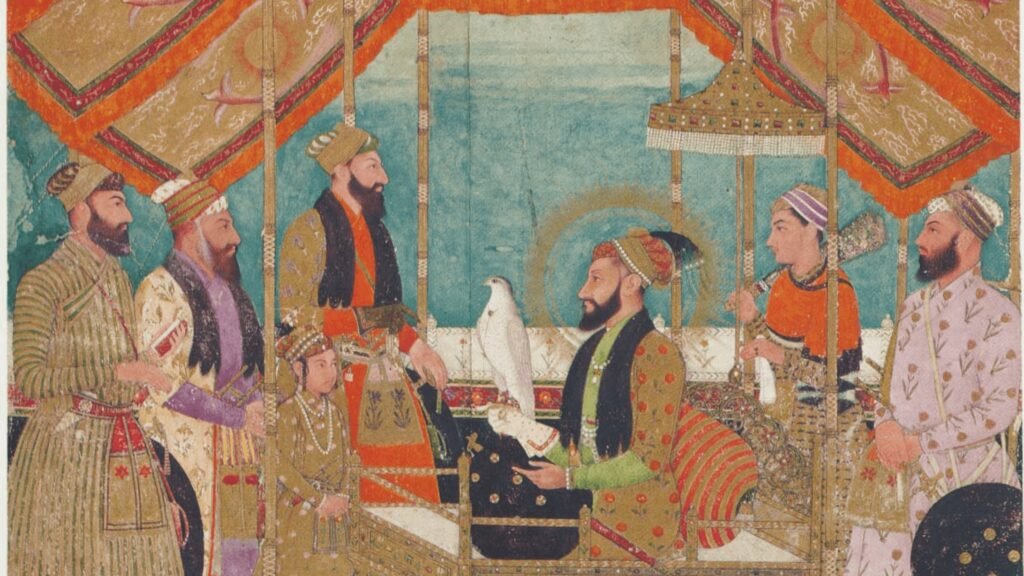
The Mongols were infamous for their remarkable conquests that spanned a vast expanse of the world. Yet, they were never able to conquer Delhi, despite...
One of the many ways in which the British East India Company gained control over various regions of India was by forging advantageous friendships with...
A 4500-year-old seal from the Indus Valley Civilisation shows a human figure grasping two lions. Known as the ‘Master of Animals’ motif, this enigmatic figure appears in different forms across cultures and over many centuries, stretching from Egypt to Mesopotamia. What did this image represent? And how did cultures separated by thousands of kilometres come to adopt such a strikingly similar icon?
Tucked away near Bhubaneswar lies one of India’s most mysterious temples, Hirapur’s Chausath Yogini Temple. This circular, roofless shrine, built in the 9th century, is dedicated to 64 Yoginis; powerful female deities associated with Tantric traditions. The temple is lined with intricately carved Yogini figures, and offers a rare glimpse into a lesser-known spiritual world.
What happened to Kalinga after its devastating war with Ashoka? Did Buddhism simply sweep across the region?
A 2000-year-old inscription offers some fascinating clues. Carved into the walls of the Udayagiri-Khadagiri Caves in Odisha, the Hathigumpha inscription tells the remarkable story of King Kharavela, a powerful ruler who emerged in Kalinga centuries after Ashoka’s conquest.
At Rakhigarhi in Haryana, archaeologists uncovered the 4500-year-old skeleton of a middle-aged woman from the Harappan period. Scientists recovered ancient DNA from her remains; the first successful genome from a Harappan individual. What makes this discovery significant, and what does it tell us about the ancestry of Indians?
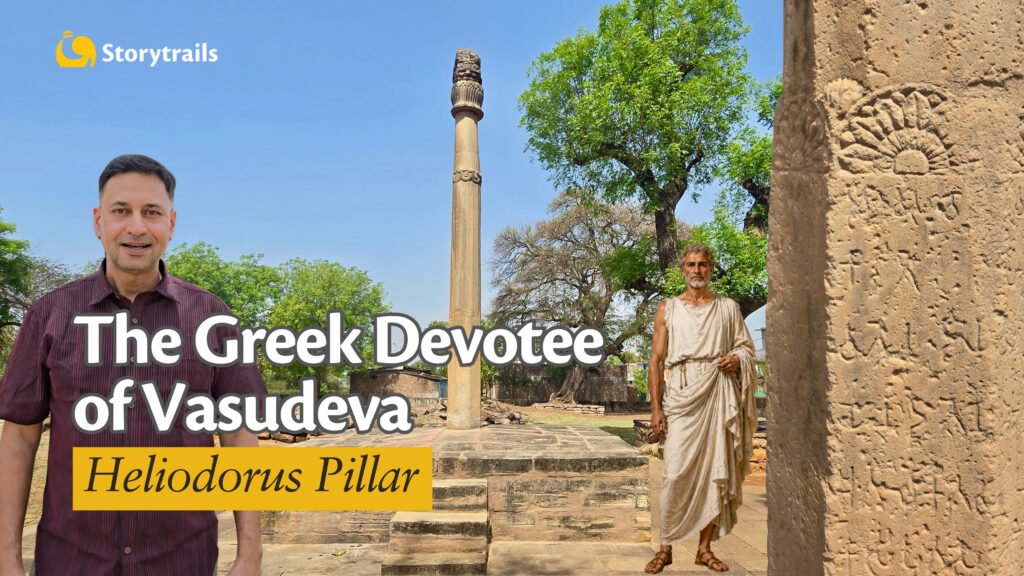
An ancient pillar that has been worshipped for centuries.
And a Greek ambassador who declared himself a devotee of Vasudeva.
Around the 2nd century BCE, Heliodorus, an ambassador from the Indo-Greek kingdom, erected a pillar at Besnagar in central India. Its Brahmi inscription identifies him as a devotee of Vasudeva. The Heliodorus Pillar at Vidisha offers a fascinating glimpse into the cultural exchanges that shaped ancient India.
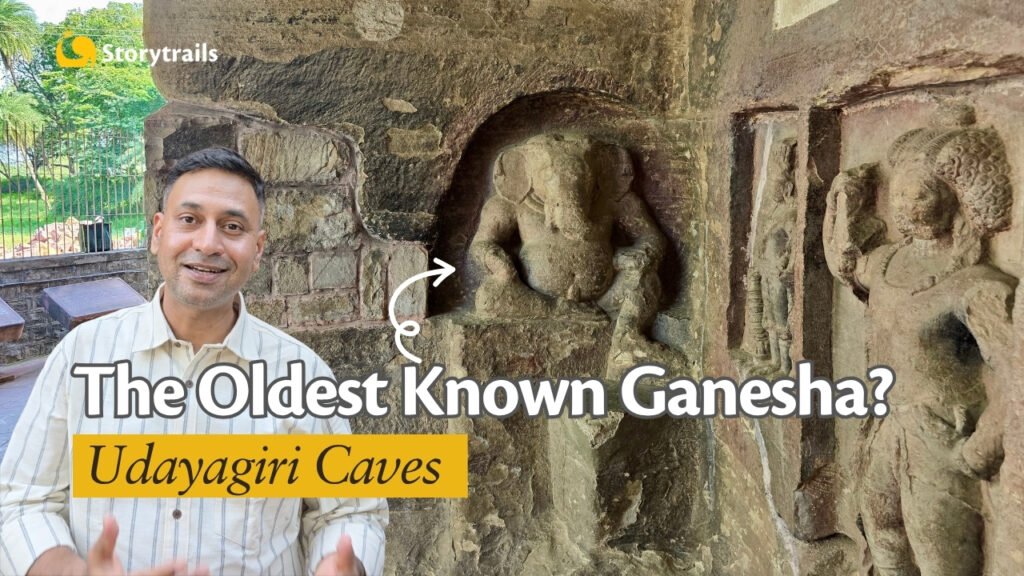
In the rock-cut shrines of the Udayagiri Caves in Madhya Pradesh sits a sculpture often described as the earliest datable image of Ganesha in India today. An inscription at the cave entrance dates the monument to 401 CE, when king Chandragupta II reigned.
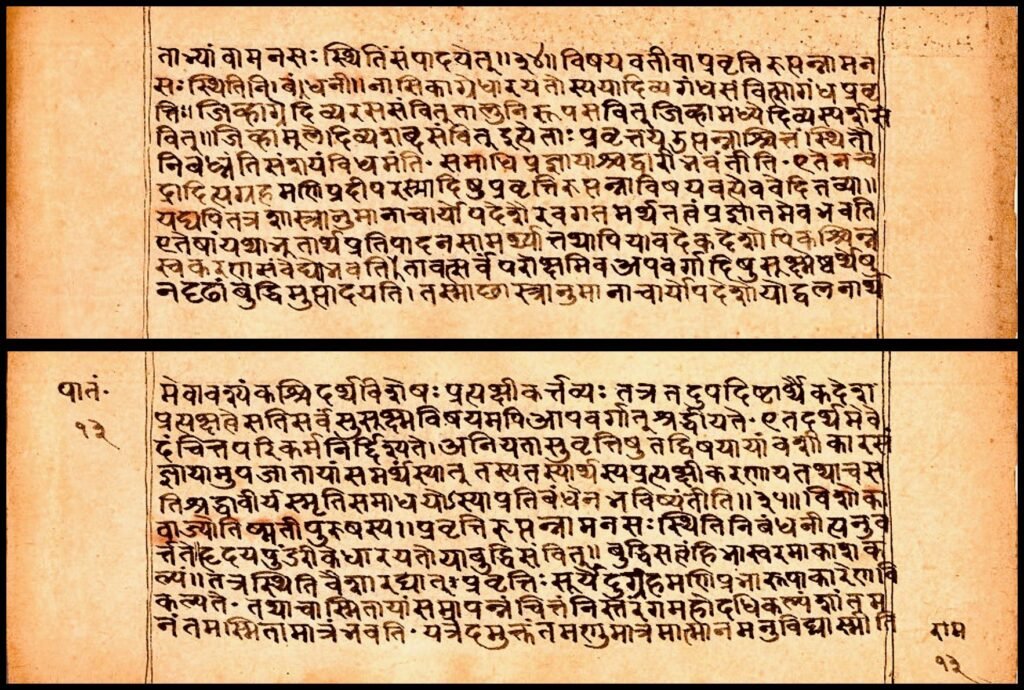
In human civilisation, languages evolved first, and then came scripts. The Devanagari script is one of the oldest scripts of India, having evolved from the ancient Brahmi script. It
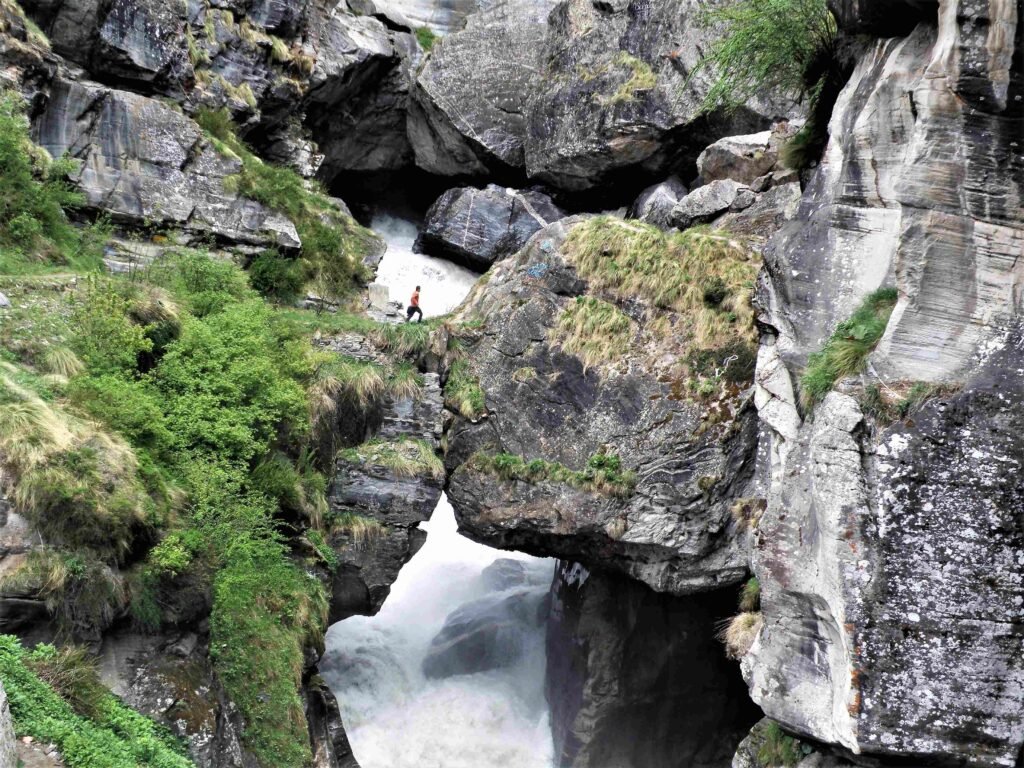
This rock formation, known as the Bheema Pul (‘Bheema’s Bridge’), is near Badrinath in Uttarakhand. And yes, it is named after a story around Bheema from the Mahabharata. Towards
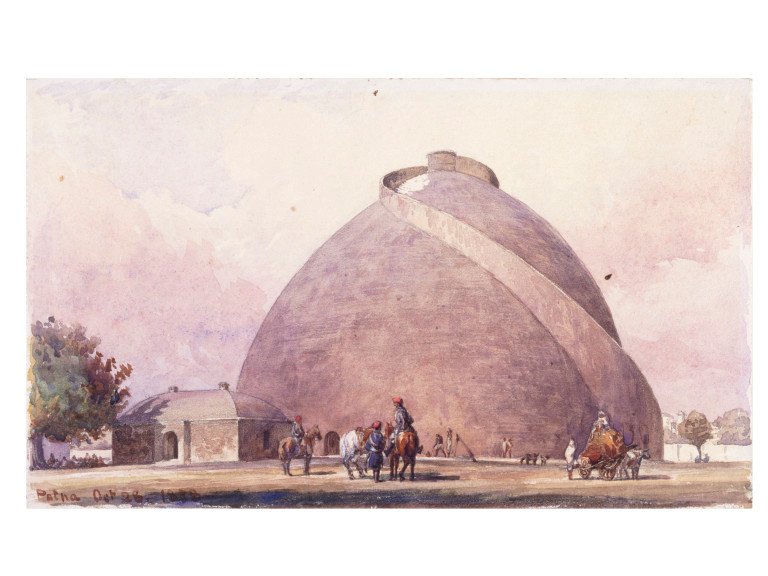
The Golghar (meaning ‘circular building’) in Patna, Bihar is a gigantic igloo-like granary that was built several years after the Bengal famine of 1770. Millions died in this disastrous